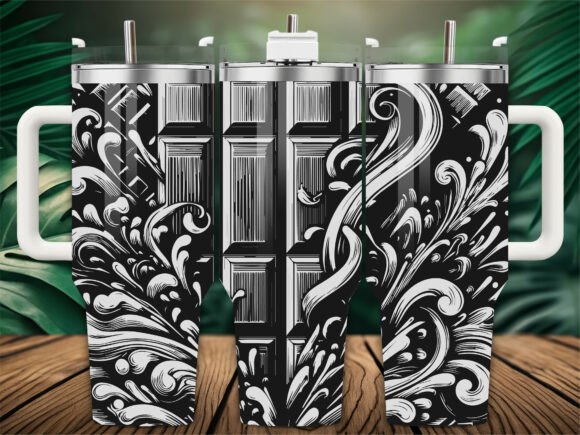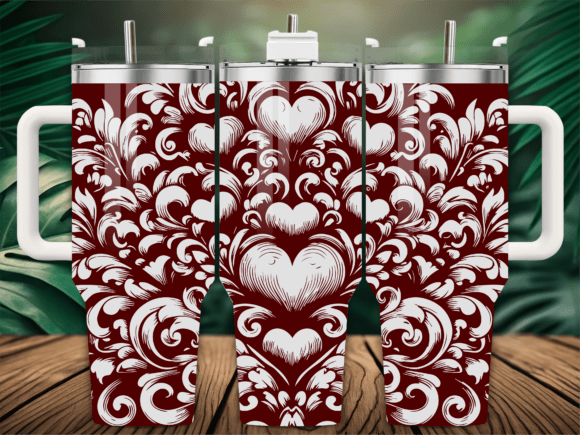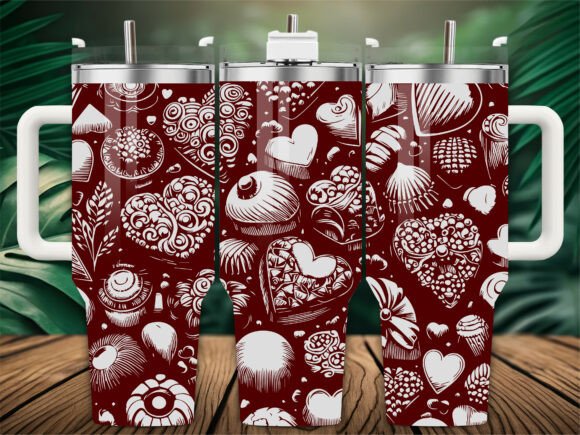
Sweet Chocolate Bar
As an experienced designer and embroidery product reviewer, I often find myself evaluating new designs with a critical eye—especially when they’re meant for real-world use. The Sweet Chocolate Bar is one such design that caught my attention. It’s a digital embroidery file that promises to bring a rich, indulgent feel to any project. But does it live up to the hype? Let’s dive into what makes this design stand out—and where it might fall short.
The First Impression: A Design That Speaks Sweetly
From the moment I opened the Sweet Chocolate Bar file, I was struck by its visual appeal. The design exudes a warm, inviting mood, perfect for anything related to desserts, treats, or cozy, comforting themes. The shape is clean and recognizable, with a soft, rounded edge that gives it a friendly, approachable look. The layout is well-balanced, making it ideal for both large and small projects.
The level of detail is just right—not too intricate, but enough to make the design feel substantial. It’s not a high-detail, complex piece, which means it works well for most embroidery machines and hoop sizes. The theme is straightforward, which is great for designers who want to keep things simple yet effective.
This design feels like it belongs on a tote bag, a sweatshirt, or even a baby onesie. It has the kind of universal appeal that makes it easy to incorporate into a wide range of products without feeling forced.
Real-World Embroidery Performance
Testing the Sweet Chocolate Bar on different fabrics and projects gave me a good sense of how it performs in practical situations. On a cotton tote bag, it looked smooth and professional, with clear stitch lines and no issues with thread color contrast. The design didn’t require excessive stabilizer, which is a plus for those looking to save time and materials.
On a sweatshirt, the design held up well, though I noticed that the satin stitch areas could be a bit dense if not adjusted properly. For a more refined look, I’d recommend adjusting the stitch density slightly to avoid a heavy, stiff appearance. This is especially important for custom apparel that will be worn regularly.
When used on baby clothes, the design was soft and gentle, with no sharp edges or overly detailed elements that could irritate sensitive skin. It made a great addition to a onesie or a blanket, offering a touch of whimsy without being overwhelming.
For a patch, the Sweet Chocolate Bar worked well, but I would suggest using a light stabilizer to prevent puckering. It’s also worth noting that the design isn’t ideal for curved surfaces like caps, as the corners can become distorted during stitching.
Where to Use It Carefully
While the Sweet Chocolate Bar is versatile, there are certain scenarios where it may not perform as well. For instance, on small hoop sizes, the design might feel cramped, especially if you're trying to include additional text or embellishments. If you’re working with textured fabrics or thin, stretchy materials, you’ll need to be extra careful with your stabilizer choice to avoid distortion.
On dark fabric, the design stands out nicely, but on lighter backgrounds, the thread color contrast becomes more important. I recommend testing it in black and white mockups to see how it translates before committing to a final project.
Dense stitch areas can cause the design to look too heavy, so it’s best to review the stitch density and adjust as needed. Tiny lettering or decorative accents might not come through clearly, so if your project requires fine details, you may want to look for a different design.
Impact on Visual Appeal and Customer Perception
The Sweet Chocolate Bar adds a touch of elegance to any finished product. It’s the kind of design that customers notice and appreciate, especially when it’s used in handmade products or personalized gifts. The visual appeal is consistent across different mediums, whether it’s on a t-shirt, a pillow cover, or a holiday gift.
From a commercial standpoint, this design can enhance the value of your products. It’s suitable for small shop merchandise, Etsy listings, and craft fair items. Its simplicity makes it easy to integrate into a brand’s aesthetic, ensuring consistency across all your offerings.
When it comes to customer trust and engagement, the Sweet Chocolate Bar offers a reliable, professional look that can help build a positive reputation. It’s a safe choice for anyone looking to create a polished, appealing product without overcomplicating the design process.
Practical Designer Notes
Before using the Sweet Chocolate Bar in any project, I always recommend testing it on scrap fabric first. This helps you get a better sense of how the stitches will look on your chosen material. Checking thread color contrast is also essential, especially if you’re using a darker or patterned fabric.
Reviewing the stitch density is another key step. If the design feels too dense, you may need to adjust the settings to ensure a smoother finish. Confirming the correct hoop size is important too, as some designs may not fit well in smaller hoops without resizing.
Inspecting small details is crucial, especially if you plan to use the design for commercial purposes. Testing it in black and white mockups can give you a clearer idea of how it will appear on different backgrounds. Using the right stabilizer is also vital for maintaining the integrity of the design, especially on delicate or stretchy fabrics.
Finally, make sure the design works for both personal and commercial projects. Check the licensing terms before selling finished items or digital products to avoid any legal issues down the line.
Conclusion: A Reliable Choice for Many Projects
The Sweet Chocolate Bar is a solid design that offers versatility, visual appeal, and practicality for a wide range of embroidery projects. Whether you’re creating custom apparel, personalized gifts, or small business merchandise, this design can add a touch of charm and professionalism to your work.
It’s not perfect for every situation, but with the right adjustments and considerations, it can be a valuable addition to your design library. As a designer, I appreciate the balance between simplicity and effectiveness that this design brings to the table.