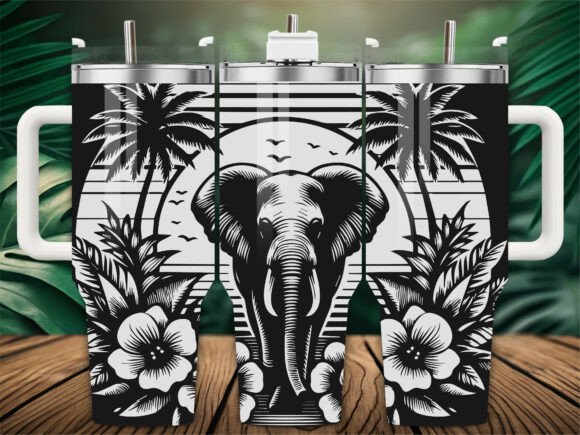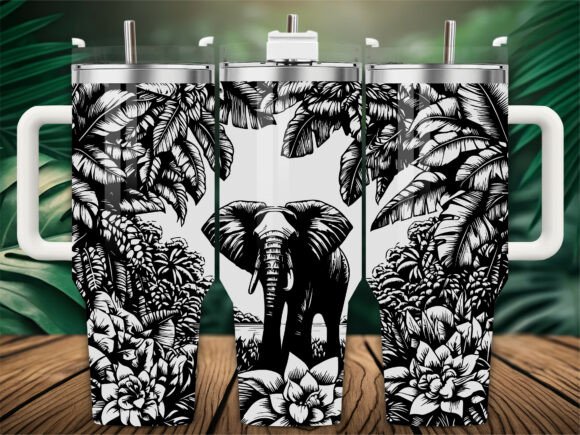
Safari Elephant Embroidery Design
As an embroidery designer and product reviewer, I’ve evaluated countless machine embroidery designs, but few have captured the essence of a real-world project like Safari Elephant. This design is crafted with intention, offering a blend of visual appeal and practicality that makes it ideal for a range of embroidery projects.
The First Impression: A Bold and Memorable Design
Safari Elephant immediately draws attention with its clean lines and strong silhouette. The design exudes a sense of adventure and whimsy, making it perfect for products that aim to evoke a safari or nature theme. The layout is well-balanced, with enough detail to stand out without becoming overwhelming. It’s clear that this was designed with both aesthetic and functional use in mind.
The visual personality of Safari Elephant leans toward playful yet sophisticated, which makes it versatile for different types of handmade products. Whether you're creating custom apparel, baby items, or personalized gifts, this design has the potential to elevate your work.
Real-World Use Cases: Where Safari Elephant Shines
When considering where to apply Safari Elephant, the possibilities are vast. It works exceptionally well on tote bags, sweatshirts, and aprons—items that often serve as both functional and fashionable pieces. For a small business owner or Etsy seller, this design could be a great addition to a seasonal collection, especially around holidays or events that celebrate nature or wildlife.
It also has potential for baby items, such as onesies, blankets, or nursery decor. The design is detailed enough to make a statement but not so intricate that it becomes hard to stitch on delicate fabrics. When used on a baby onesie, it can add a touch of charm that parents will appreciate.
For craft fairs or boutique branding, Safari Elephant offers a unique look that stands out among generic designs. It can be used as part of a larger theme or as a standalone piece, depending on your creative vision.
Challenges and Considerations: When to Be Cautious
While Safari Elephant is a strong design, there are certain situations where it may not perform as well. If you're working with small hoop sizes, the design might require multiple hooping steps, which can be time-consuming and increase the risk of misalignment. Similarly, on textured or stretchy fabrics, the details may not come through as clearly as they would on smooth, stable materials.
On dark fabrics, the contrast between the design and the background may need careful consideration. Depending on the thread colors you choose, the design could appear muted or lost against a dark backdrop. Testing the design on different fabric types before committing to a full project is always a good idea.
Dense stitch areas, such as those found in satin stitches or fill stitches, could lead to puckering or distortion if not properly stabilized. Using the right stabilizer and adjusting the tension settings on your machine can help mitigate these issues.
Impact on Visual Appeal and Customer Perception
Safari Elephant has the potential to significantly enhance the visual appeal of any embroidered product. Its clean lines and structured form make it easy to recognize, which is important for brand consistency and customer engagement. When used on a custom t-shirt or a personalized gift, it can create a sense of quality and care that resonates with buyers.
For handmade products, the design adds a professional touch that can differentiate your work from mass-produced alternatives. Customers often look for unique, thoughtful details, and Safari Elephant delivers on that front. It can also boost the perceived value of your finished product, making it more attractive for resale or gift-giving.
From a marketing perspective, this design can be a valuable asset. It’s visually engaging and adaptable, making it suitable for printable mockups, digital product previews, and social media showcases. As an Etsy seller or small shop owner, having a design that looks great in photos can make a big difference in attracting customers.
Practical Designer Notes: Tips for Success
Before using Safari Elephant in your next project, it’s wise to test it on scrap fabric. This allows you to see how the design translates in real life and identify any potential issues early on. Pay close attention to the stitch density and adjust your machine settings accordingly.
Choosing the right thread colors is also crucial. Ensure that the colors you select provide enough contrast against the fabric you’re using. For example, on a light-colored fabric, a darker thread may offer better visibility, while on a dark fabric, a lighter thread might be more effective.
Inspecting the design for small details is another key step. Tiny elements like ears or facial features may require extra care during stitching to avoid distortion. If you’re working on a curved surface, such as a cap or a hat, be mindful of how the design wraps around the shape.
Lastly, always confirm the licensing terms before selling any finished products or digital files. Even though this design appears to be intended for commercial use, it’s always best to double-check the details to avoid any legal complications down the line.
Final Thoughts: A Versatile and Valuable Design Asset
Safari Elephant is more than just an embroidery file—it’s a design that can bring creativity and character to a wide range of projects. Whether you're working on custom apparel, baby items, or small shop merchandise, this design offers the flexibility and visual impact needed to stand out in a competitive market.
As an experienced designer, I find that Safari Elephant strikes a good balance between detail and usability. It’s a reliable choice for both personal and commercial projects, provided you take the necessary precautions to ensure the best results. With proper testing and attention to detail, this design can become a valuable addition to your embroidery toolkit.