Roses Bee Flower
As an experienced designer and embroidery product reviewer, I often find myself evaluating new designs with a critical eye—looking for quality, versatility, and practicality. The Roses Bee Flower design caught my attention not just for its aesthetic appeal, but for how it might translate into real-world embroidery projects. Whether you're a small business owner, Etsy seller, or craft enthusiast, this design has potential—but it’s important to understand how it performs in different contexts.
The First Impression: A Delicate Balance of Nature and Artistry
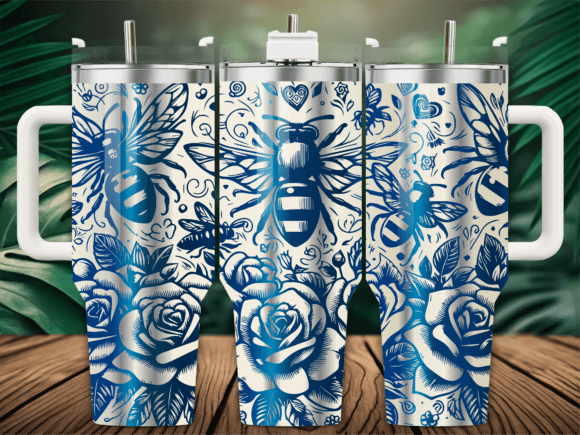
Roses Bee Flower immediately conveys a sense of softness and elegance. The design features intricate floral patterns intertwined with delicate bee elements, creating a harmonious blend of nature and craftsmanship. The layout is well-structured, with a clear focal point that makes it ideal for a variety of embroidery projects. Its visual personality leans toward romantic, vintage, or artisanal themes, making it a strong candidate for handmade products like tote bags, pillow covers, or baby items.
The level of detail is impressive, especially for a design intended for both personal and commercial use. However, the complexity also means that it requires careful consideration when selecting fabric types and embroidery techniques.
Real-Life Embroidery Performance: Where It Shines and Where It Needs Care
When used in custom apparel, such as a sweatshirt or t-shirt, Roses Bee Flower holds up well, especially on light-colored fabrics. The design’s balance of satin stitch and fill stitch areas ensures a clean, polished look without excessive bulk. However, on darker fabrics, the contrast can be less striking unless the thread colors are carefully chosen.
This design works best on flat surfaces like tote bags or aprons, where the full wrap can be appreciated. On curved surfaces like caps or hats, the stitching may appear slightly distorted if not properly adjusted for hoop size and placement. For embroidered patches, the detail is manageable, but the stitch density should be checked to avoid puckering or distortion.
For baby items, the design is suitable, but care must be taken with fabric texture and stabilizer use. Thin or stretchy materials can cause the stitches to pull or pucker, so a good backing is essential. Similarly, on textured fabrics, the design may lose some of its clarity, requiring adjustments in stitch density or thread selection.
Where to Use It With Caution
- Small hoop sizes: The design may require multiple hooping sessions, which can be time-consuming and increase the risk of misalignment.
- Thin or stretchy fabric: These materials may not support the design’s detail without additional stabilizer or tension adjustments.
- Dense stitch areas: Overly thick sections can cause the fabric to pucker or the stitches to become too stiff.
- Dark fabric backgrounds: The design may not stand out as well unless using high-contrast thread colors.
- Layered garments: The design may not show through multiple layers effectively, depending on the fabric composition.
Impact on Visual Appeal and Customer Perception
Roses Bee Flower has the potential to elevate the visual appeal of any project it’s used on. Its intricate details make it ideal for personalized gifts or boutique merchandise, where attention to detail matters. When executed well, it adds a touch of sophistication that can enhance the perceived value of a handmade product or commercial item.
From a customer perspective, this design can evoke positive emotions—especially for those who appreciate floral and nature-themed artwork. It’s particularly effective for holiday gifts, wedding favors, or nursery decor, where the design’s gentle aesthetic can create a warm, inviting feel.
For small business owners and Etsy sellers, the design offers a versatile asset that can be adapted across multiple product lines. However, it’s crucial to ensure that the final product maintains a professional appearance, as even minor flaws in stitching or color contrast can affect buyer trust and satisfaction.
Practical Designer Notes for Optimal Results
Before committing to a large batch of embroidery projects using Roses Bee Flower, I recommend testing the design on scrap fabric first. This helps identify any issues with stitch density, thread color contrast, or stabilizer use. It’s also wise to review the design in black and white mockups to assess how it will look on different fabric backgrounds.
When working with digital embroidery files, always confirm that the design is compatible with your machine and that the hoop size is appropriate. For commercial use, double-check the licensing terms to ensure that the design can be used for finished products or digital sales without restrictions.
Finally, consider how the design fits into your brand’s overall aesthetic. If your shop specializes in minimalist or modern styles, Roses Bee Flower may not align perfectly. But for brands that lean toward rustic, vintage, or floral themes, this design could be a valuable addition to your collection.
Conclusion: A Versatile Design with Thoughtful Application
Roses Bee Flower is a design that offers both beauty and flexibility, but its success depends on how it’s applied. As an embroidery designer, I appreciate its attention to detail and the way it balances complexity with usability. Whether you’re creating custom apparel, personalized gifts, or small shop merchandise, this design has the potential to add value and visual interest to your work.
With proper testing, thoughtful fabric selection, and attention to stitch execution, Roses Bee Flower can become a standout element in your embroidery projects. Just remember that not every design is perfect for every application—sometimes, the key to great results lies in knowing where and how to use it best.