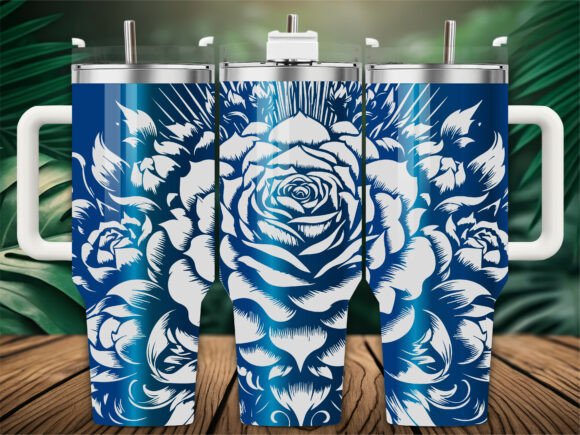
Blue Floral Mandala
The Blue Floral Mandala design offers a serene, intricate aesthetic that feels both timeless and modern. Its flowing lines and layered petals create a sense of calm, making it ideal for projects that aim to evoke grace and elegance. The layout is balanced, with enough detail to stand out without overwhelming the space. This design seems most at home on larger surfaces where its complexity can be fully appreciated.
First Impressions and Design Personality
From the moment you see Blue Floral Mandala, it exudes a meditative quality. The soft blue hues and organic shapes suggest a connection to nature, making it perfect for items like tote bags, pillow covers, or baby clothes. It has a handcrafted feel, which aligns well with the handmade product and personalized gift markets. The design’s symmetry and repetition give it a polished look, while the subtle variations in line weight add visual interest.
This is not a design for minimalists or those looking for bold, graphic statements. Instead, it thrives in environments where subtlety and artistry matter. It would fit naturally into a boutique product line, a craft fair booth, or an Etsy shop offering artisanal items.
Real-World Embroidery Performance
When considering Blue Floral Mandala for real embroidery projects, its performance depends largely on how it’s applied. On custom apparel like sweatshirts or t-shirts, the design holds up well, especially when using a medium hoop size. However, on smaller items like caps or patches, the intricate details may become lost unless the hoop is large enough to accommodate the full design.
The design works best on smooth, non-stretchy fabrics. Textured or stretchy materials could distort the stitching, particularly in areas with dense fill stitches. For baby clothes or delicate items, a light stabilizer is recommended to prevent puckering and maintain stitch clarity.
In terms of thread color contrast, the soft blues may not show up well on dark fabrics. A white or light-colored thread would provide better visibility. Testing the design on scrap fabric before committing to a project is always a good idea, especially if you're unsure about the final fabric choice.
Where to Use Carefully
Blue Floral Mandala is not the best choice for small hoop sizes. If you’re working on a cap or a small patch, consider simplifying the design or selecting a version that’s optimized for tight spaces. Similarly, the design’s detailed corners and fine lines may not translate well to curved surfaces like hats or sleeves, where the machine’s movement can cause distortion.
Dense stitch areas could lead to stiffness in the fabric, especially on thin or lightweight materials. If you're planning to use this on a tea towel or a kitchen napkin, ensure the fabric can handle the weight of the embroidery without losing its softness. For frequent washing, a sturdy stabilizer and proper stitching techniques are essential to prevent fading or tearing.
On layered garments or products with multiple fabric layers, the design might not sit flush. This could affect the overall appearance and durability. Always test on a sample piece before moving to a full production run.
Impact on Visual Appeal and Customer Perception
Blue Floral Mandala adds a touch of sophistication to any finished product. Its intricate details can elevate a simple tote bag into a statement piece, making it more appealing to customers looking for unique, handcrafted items. The design’s consistency across different mediums—whether on a sweatshirt, a pillow cover, or a printable mockup—helps reinforce brand identity and professionalism.
For small shop products or Etsy listings, this design can help differentiate your offerings from mass-produced alternatives. Customers often appreciate the effort and artistry behind handmade items, and a well-executed embroidery project can build trust and encourage repeat business.
When used in holiday or wedding gifts, the design’s calming aesthetic can make it a thoughtful, memorable present. Its versatility allows it to fit into various themes, from rustic to modern, depending on how it's paired with other elements.
Practical Designer Notes
Before using Blue Floral Mandala in your next project, start by testing it on a scrap piece of fabric. This will help you assess how the design looks in real life and whether it meets your expectations. Pay attention to stitch density and how the design interacts with the fabric texture.
Check the thread colors against the fabric background. If the design is meant for commercial use, confirm that the licensing allows for resale of finished products. Also, review the file format and compatibility with your embroidery machine to avoid technical issues.
If you're creating a printable mockup or digital product preview, ensure the design scales properly and maintains its integrity at different sizes. For embroidery projects that require frequent washing, consider using a high-quality stabilizer to protect the design and extend its lifespan.
Lastly, think about how Blue Floral Mandala fits into your overall product lineup. Is it a signature design that represents your brand? Does it appeal to your target audience? Answering these questions can help you make the most of this design in both personal and commercial contexts.
Conclusion: A Thoughtful Addition to Your Design Library
Blue Floral Mandala is a design that demands care and consideration. It’s not a one-size-fits-all solution, but when used appropriately, it can enhance the visual appeal and value of your handmade products. Whether you're an embroidery designer, a small business owner, or a craft enthusiast, this design offers a unique opportunity to create meaningful, artistic pieces that resonate with customers.
With the right approach, Blue Floral Mandala can become a staple in your collection of machine embroidery designs, helping you deliver high-quality, professional results that stand out in the crowded market of crafts and digital products.